
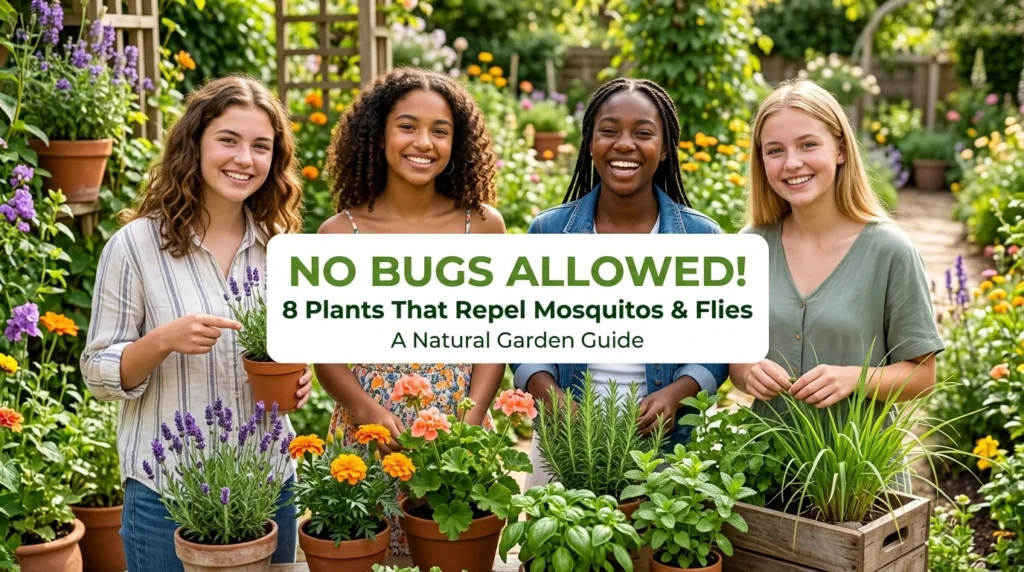
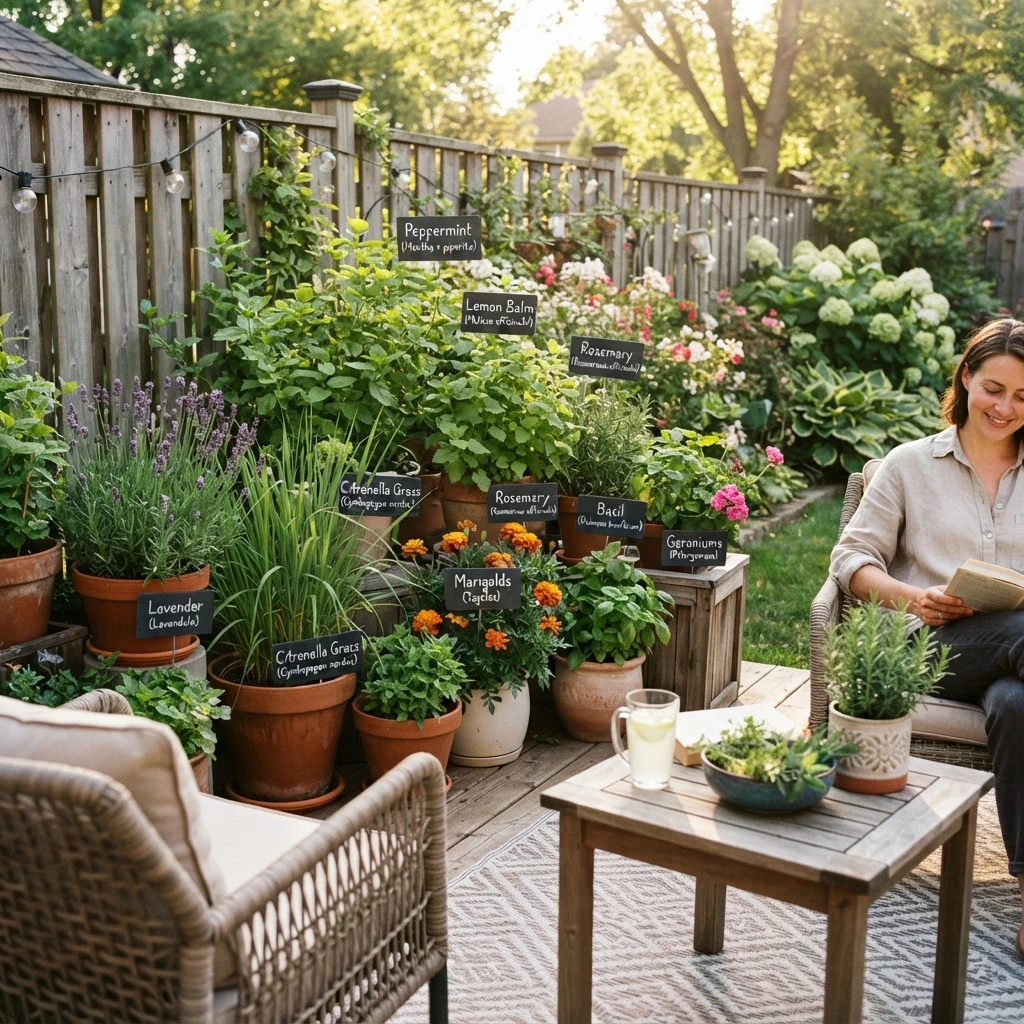
Summer evenings are just the best. Warm breeze, good friends, maybe a tasty drink in hand. But then buzz, buzz. Tiny uninvited guests crash your peaceful moment. Mosquitos and flies can ruin a good time outside. But here is good news. You do not need harsh chemicals to keep them away. Some amazing plants tell those pesky bugs to buzz off, all on their own. Let us look at green heroes that help you take back your patio and garden.
1. Citronella Grass

Citronella grass is the most famous bug fighting plant, and for good reason. You have likely seen it in candles and sprays. But the real plant is even better and works great. It is a tall grass with a lovely lemon scent. Bugs, mostly mosquitos, just cannot stand it. You can plant it in garden beds. Or keep it in pots near your outdoor seats for best pest control. Just know it loves warmth and sun. Give it a sunny spot and water it often. It will grow big and lush. Then you get a pretty, sweet smelling, bug free zone for you and your guests.
This plant is a star in warm tropical places. But if you live where it gets cold, you can still enjoy it. Just grow it in pots. Bring the pots inside when the weather turns cool. Place them in a bright, sunny window. The leaves hold the magic. When you brush them or crush a few, they release strong citronella oil. Mosquitos really hate that oil. You can even snip a few blades and rub them on your skin. That works as a natural bug repellent for a short time. Just be careful if your skin is sensitive. It is a wonderful, easy plant with big power against summer pests. It makes your outdoor spaces much more fun for all.
Growing citronella grass is quite simple, even for new gardeners. It does best in soil that drains well. It needs lots of sun to grow strong and make its potent oils. Place it around your patio, deck, or near doors. Put it anywhere you want a shield against flying bugs. The plant looks nice too, with bright green leaves shaped like swords. That adds beauty to your garden. It can grow quite tall, up to 5 or 6 feet. So give it some space to spread out. Water it often to keep it happy, mostly in dry spells. Soon you will have a living bug shield. It smells great to us but awful to mosquitos.
Citronella works because of its natural oils. The main ones are citronellol, geraniol, and limonene. These oils confuse mosquitos. They make it hard for bugs to find you. Mosquitos track the carbon dioxide and sweat signals we give off. But citronella’s strong scent blocks those signals. People have used this trick for hundreds of years to keep biting bugs away. Picture a warm evening outside. You hear the soft grass in the breeze. And you do not need to swat bugs all night. That is the peace citronella can give. It is a green and pretty way to enjoy your yard more. You will need fewer harsh chemical sprays.
Many people use the fresh leaves in home projects. They mix them into oils or make their own natural sprays. But just having the plant close by is often enough to keep casual bugs away. It grows strong and fills out nicely. That gives you lots of green leaves and bug protection. If you have a long warm season, it may spread a bit. Then it forms a thick, sweet smelling wall. But note this: no single plant stops 100 percent of bugs. Mix it with other plants and tricks on this list. Together they can cut your bug problem a lot. It is a must have plant for anyone who wants to enjoy the outdoors without bug battles. It smells lovely and works well, all in one.
2. Lavender
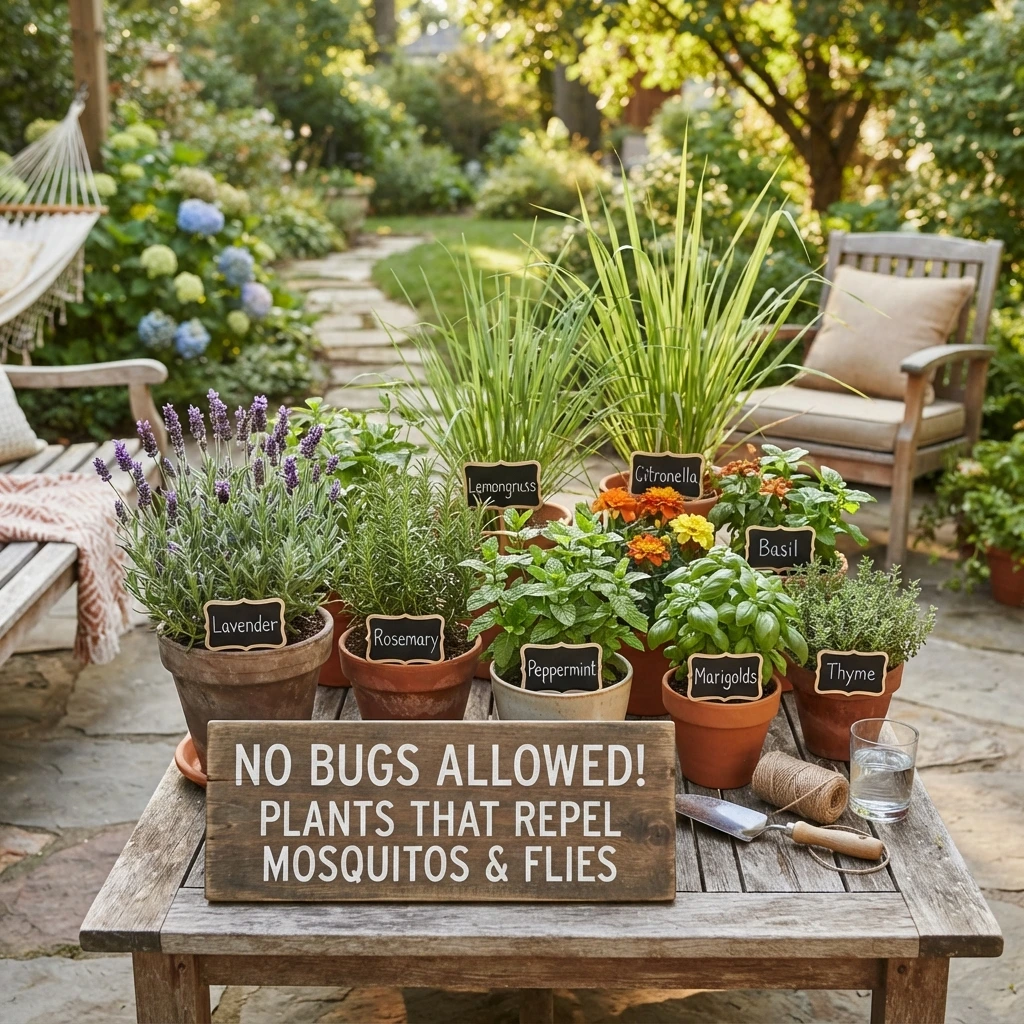
Oh, lavender. You likely know it for its pretty purple flowers. It has a calm scent used in soaps and oils. But did you know this herb also fights bugs. It works against mosquitos, flies, and even moths. The scent we find so lovely is awful to many bugs. Experts think a compound called linalool gives it this power. Grow lavender around your patio or near windows. You will get a sweet smelling, bug free zone.
Lavender is super easy to grow. It is great for new gardeners and pros alike. It loves full sun and soil that drains well. Once it settles in, it handles dry spells well. That means less watering for you. Plant it in garden beds or along borders. Or keep it in pots on your porch or balcony. The bright purple blooms look stunning. They also draw bees and butterflies, which is a sweet bonus for your garden. And fresh lavender nearby means free sprigs. Snip some for a sweet smelling home, or dry them for sachets.
Lavender is great because you can use it in many ways. You can often see mosquitos stay away from blooming lavender. Some people crush a few flowers and rub the oil on skin. That works as a natural repellent. But always test a small skin patch first. The strong scent overloads bug senses. It confuses them and makes it hard to find you. That makes outdoor parties much nicer. Guests enjoy the lovely smell with no swarms of pests.
There are different kinds of lavender. English, French, and Spanish are the most known. They look a bit different and smell a bit different. But all of them fight bugs well. So pick the one that fits your taste and weather. English lavender handles cold best, for example. Just give it space and sun. You will get lots of blooms and a natural bug wall. Trim it after it flowers. That helps it grow bushy with even more blooms.
Picture stepping into your garden. The calm smell of lavender fills the air. And almost no mosquitos or flies bother you. That is pure bliss. It keeps pests away and may also lower stress. That adds one more plus to your outdoor space. It is a pretty, sweet smelling, and strong plant. It gives so much more than lovely blooms. A few lavender plants are worth the money. They boost your garden beauty and your outdoor comfort. It is a natural swap for chemical sprays.
3. Marigolds
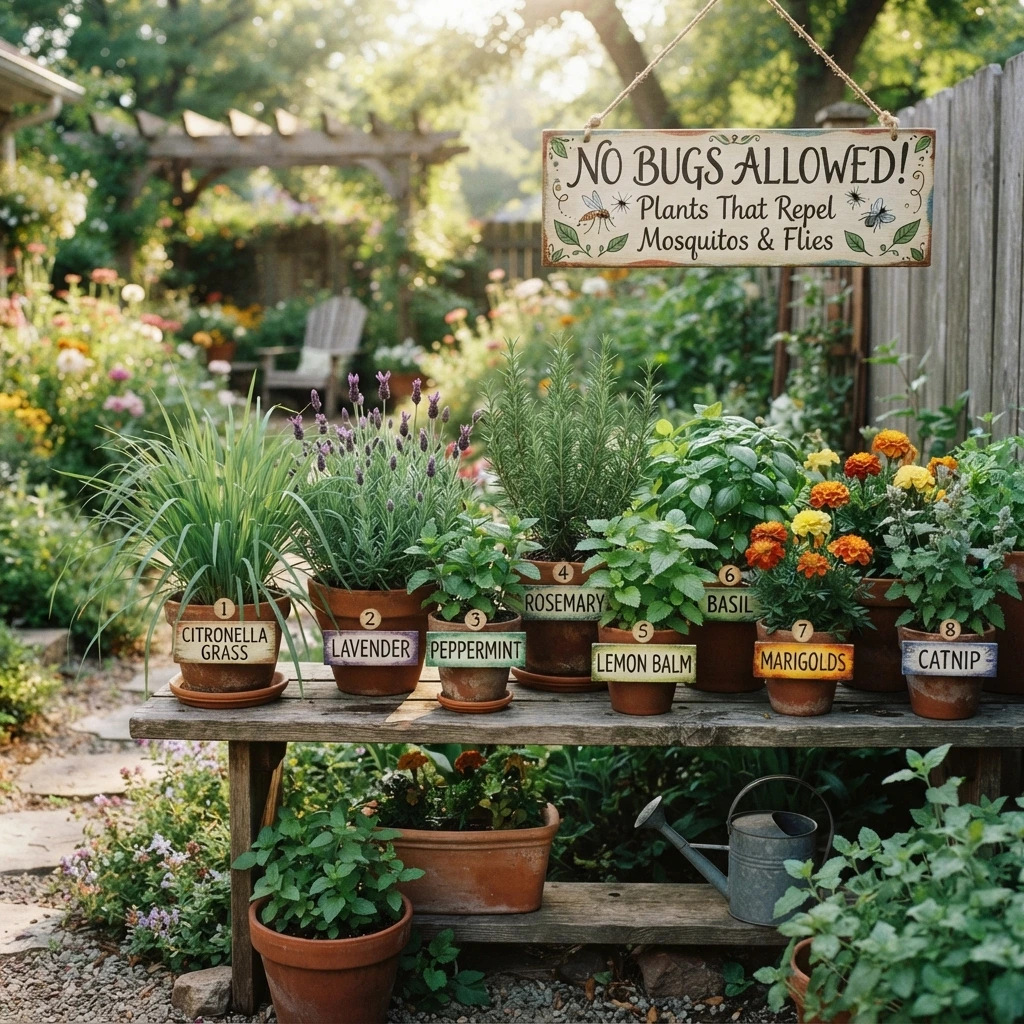
Marigolds are happy, bright flowers. They bring instant color to any garden in yellow, orange, and red. But they are not just pretty faces. They are secret stars for bug control. Many gardeners plant them next to veggies as companion plants. They push away many pests on their own. That includes mosquitos, whiteflies, aphids, and even soil nematodes. Their strong scent may seem much to some people. But that scent is exactly what confuses bugs and sends them away from your plants.
The magic in marigolds comes from natural compounds called pyrethrins. These are natural bug killers. They work so well that stores use them in bug sprays. Plant marigolds around your veggie garden or patio. You build a natural shield. They are great against mosquitos, which hate the strong smell of their leaves and flowers. Plus they are super easy to grow from seed. They love full sun and soil that drains well. That makes them an easy fix for a bug free zone.
You can grow marigolds in pots near your outdoor seats. Or mix them into flower beds and veggie patches. French marigolds are known for strong pest control. They stay small and bushy, perfect for borders or pots. African marigolds grow taller and bolder. They give more color and wider protection. Whichever kind you pick, water them well, mostly in dry spells. That keeps them blooming and working hard against bugs. Snip off dead blooms too. That brings more flowers and longer bug protection all season.
Think of a bright garden full of color. Those happy flowers also guard your tomatoes and peppers. And your outdoor evenings feel more calm. Marigolds truly do many jobs at once. They add beauty and draw helpful bugs like ladybugs. Ladybugs eat aphids, which is great. At the same time marigolds push harmful bugs away. Their bright colors can even lift your mood. They are a must have for natural, safe pest control. And they make outdoor living much more comfy.
Their strong scent does the real work. It hides the smells pests use to find food. It also hides where they lay eggs. That confuses bugs and keeps them away. This natural shield is safer than chemical sprays. It is safer for kids, pets, and local wildlife. So when you plan your garden, add plenty of marigolds. You will get long lasting blooms. And you get a cheerful guard for your garden and patio. Bug run ins will be a thing of the past.
4. Basil

Basil is not just for tasty pesto and tomato sauce. It is also great at keeping mosquitos and flies away. This sweet smelling herb is loved in kitchens everywhere. But its strong scent also pushes many bugs away. Its natural oils confuse and repel flying pests. It is a wonderful plant with two jobs. It adds flavor to your food and calm to your outdoor evenings.
Growing basil is quite simple. It loves warm weather and full sun. It likes soil that stays moist but drains well. Grow it in pots near your patio or windows. You can even set a pot on your picnic table outside. Fresh basil on hand means more home cooking, which is a fun bonus. Its lush green leaves look and smell great in any herb pot. Just pinch off flower buds as they form. That helps it grow more leaves, which means more bug fighting power.
Many people crush a few basil leaves and rub them on skin. That gives a short term, natural mosquito shield. But always test a small skin patch first. The strong scent from crushed leaves really puts mosquitos off. Picture a small basil pot on your outdoor table. It looks fresh and pretty. And it quietly tells bugs to stay away all evening. It is so easy to add to your outdoor setup.
There are many kinds of basil. Genovese, Thai, Lemon, and Cinnamon are popular ones. All of them fight bugs with their strong scented oils. Their exact smells differ a bit. But mosquitos and flies dislike them all. You can try a few kinds to find your favorite. Enjoy them in food and for pest control both. Just give them good sun and water. They will grow into full, bushy plants that guard you from flying pests.
It is amazing how a common tasty herb can be such a strong pest fighter. Step outside and snip basil for dinner. At the same time it guards your space from mosquitos. That is hard to beat. It is a cheap, natural, and fun way to enjoy your patio more. You will need fewer store bought repellents. So next time you visit the garden center, grab one or two basil plants. Your outdoor evenings and your pasta will thank you.
5. Lemongrass

Lemongrass is another great plant for your bug fighting team. It is much like its cousin, citronella grass. As the name says, it smells like lemon. That scent is lovely to us but awful to mosquitos and flies. This grass is common in Asian cooking. But its perks go far past the kitchen. Its strong oils, mainly citral and geraniol, make it a top natural bug repellent. That is why stores add it to bug spray formulas.
Growing lemongrass is fairly easy, mostly in warm places where it forms big clumps. It loves full sun and soil that drains well. You can grow it in the ground or in big pots. If you live where it gets cold, use a pot. Then you can bring it inside for winter. Place pots near your patio, deck, or doors. They form a sweet smelling wall that keeps pests out of your space. It is a tall, graceful grass that also adds style to your garden.
The whole lemongrass plant gives off its lemon scent, from stalks to leaves. Brush past it on a breezy day and the scent fills the air. That builds a natural bug free zone around you. You can also snip a few stalks or leaves. Crush them gently to free the oils, then rub on your skin. That works as a short term repellent. Test a small spot first if your skin is sensitive. It adds one more layer of guard when you need it most.
Lemongrass needs plenty of water to stay strong, mostly in hot, dry spells. Well watered plants make more of their scented oils. It can grow several feet tall. So it also works as a natural screen for privacy. At the same time it keeps pesky bugs away. Picture a calm outdoor dinner. Your pretty, sweet smelling lemongrass works hard nearby. No mosquitos or flies spoil the mood.
Adding lemongrass to your yard is a smart, green choice. It is a handy plant with two big perks: tasty cooking and strong pest control. That makes it a great pick for anyone who wants natural fixes. Its nice scent beats chemical smells any day. And it is easy to grow for gardeners at any level. So why not plant some this season. Enjoy all its perks, from better dishes to calm, bug free evenings.
6. Rosemary
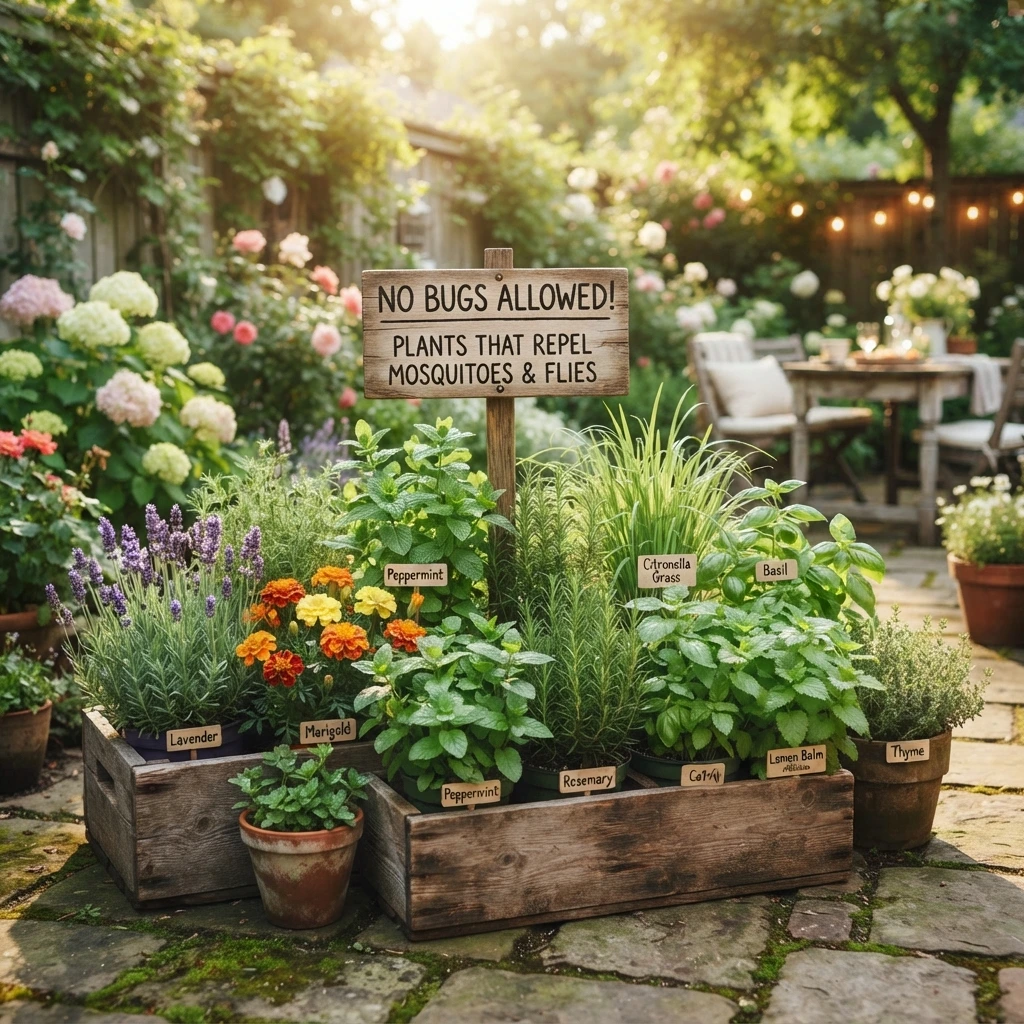
Rosemary is another kitchen star that also fights bugs well. This woody herb stays green all year. It has a pine like scent that smells wonderful to us. But mosquitos and flies hate it. It even pushes away garden pests like cabbage moths. It is a truly handy plant. It flavors your food, beautifies your garden, and keeps bugs from your parties.
Rosemary is quite easy to care for. It loves full sun and soil that drains well. Once settled, it handles dry spells with ease. Grow it in garden beds or as a hedge. It also does well in pots. For bug control, set pots near your patio or doors. Place them around your outdoor dining spot too. The closer it sits to you, the better it works. It forms a sweet smelling bubble that pests will not cross.
Rosemary gets its strong scent from natural oils. These oils are what keep bugs away. You can even make your own bug spray with it. Boil a few sprigs in water, then let it sit. Strain the liquid and mix with more water in a spray bottle. Use it on your skin or spray it around your outdoor space. It gives extra guard with no chemicals at all.
Past its bug skills, rosemary is a pretty plant. It adds shape and green color to your garden all year in mild places. Big kinds work well as hedges. Small kinds fit nicely in pots. Trim it often to keep its shape. That also helps it grow bushy with more scented leaves. More scent means more bug fighting power. And fresh rosemary for cooking is always a treat.
Picture grilling dinner outside. The air smells of tasty rosemary. And not one mosquito or fly is in sight. That is the calm outdoor time this herb can bring. It is a strong natural fix that looks good and works hard. That makes it a top pick for garden and patio lovers. Your nose will love it and your food will love it. And the bugs will truly hate it.
7. Peppermint

Peppermint is a strong herb for fresh breath and tasty teas. It is also a super bug repellent. Its bold minty scent feels fresh to us. But mosquitos, flies, ants, and even spiders hate it. Peppermint has lots of menthol. That menthol messes with bug senses. Bugs then struggle to find you or a comfy spot to rest. It is a natural, fresh way to keep outdoor spaces bug free.
Be careful planting peppermint straight in garden beds. It can spread fast and take over. It is often best in pots or raised beds. Pots also let you place it just where you need it. Set them near your patio, deck, windows, or doors. Give it full sun to part shade and soil that stays moist. That keeps it lush with lots of strong scented leaves. The stronger the plant, the better it fights bugs.
One great thing about peppermint is how many ways you can use it. Crush a few leaves and rub them on skin for quick mosquito guard. But test a small skin patch first, mostly for sensitive skin. You can also make a simple spray. Soak fresh leaves in water, then strain the liquid. Spray it around outdoor spots or on surfaces to push away ants and spiders. The fresh, clean scent is a big bonus.
Peppermint scent does more than push bugs away. It can also lift your mood and energy. That makes it great near spots where you relax outside. A pot or two by your seats builds a natural scent wall. Bugs will simply want to stay away. Plus it is super easy to grow from cuttings or small plants. Anyone can do it.
Think of fresh peppermint in the air while you relax outside. That beats the harsh smell of bug sprays. This herb does many jobs at once and lifts your space in more ways than one. If you want a tough bug fighter with a fresh scent, peppermint is a top pick. Just give it its own pot. It will guard you well against pesky summer bugs. You get relief and a lovely scent together.
8. Catnip
Catnip, also called Nepeta cataria, is famous for making cats go wild. But this plain herb also fights mosquitos hard. Studies show its active compound, nepetalactone, repels mosquitos even better than DEET. DEET is the chemical in many store bought sprays. That is a big claim for a simple garden plant. It makes catnip a must have for anyone who wants to fight bugs the natural way.
Like peppermint, catnip can grow fast and spread. So it is often best in pots or one managed spot. It likes full sun to part shade and soil that drains well. Once settled, it handles dry spells, so it needs little care. Place pots near your patio, deck, or doors. That gives you an easy, strong wall against flying bugs. The plant looks nice too, with silvery green leaves and tiny purple or white flowers.
Catnip works through its strong scent, which mosquitos hate. Your cats may love rolling in it. But you will barely notice it past a soft herbal smell. Bugs, though, will stay clear of the area. You can press the leaves lightly and rub them on skin. That makes a natural mosquito shield. But test a small skin patch first. This frees the strong nepetalactone fast and gives solid short term guard.
Catnip is easy to grow from seeds or small plants. It settles in fast and gives bug fighting power all season. The fun bonus is for cat owners: your cats may get playful around it. Even with no cats, it is still a great plant for any outdoor space. Picture enjoying your garden more with fewer bites. And you did it with a natural, strong fix.
Adding catnip to your garden uses nature’s own bug defense. It is easy to grow and works very well. It is a strong natural swap for chemical sprays. That helps you build a safer, more fun space for all. So next time you shop for plants, grab some catnip. Your outdoor evenings will be much calmer. And you might make a neighborhood cat very happy too.
Final Thoughts
There you have it. Who knew so many pretty, sweet smelling plants could guard you from summer bugs. These natural picks keep mosquitos and flies away. They also add beauty, scent, and tasty herbs to your home and garden. So go ahead and start planting. Take back your outdoor spaces for calm, bug free fun all season. You will love the fresh smells, and those pesky bugs will get the hint to buzz off.
Stay Updated
Subscribe with your email and get notified whenever we publish new posts.