
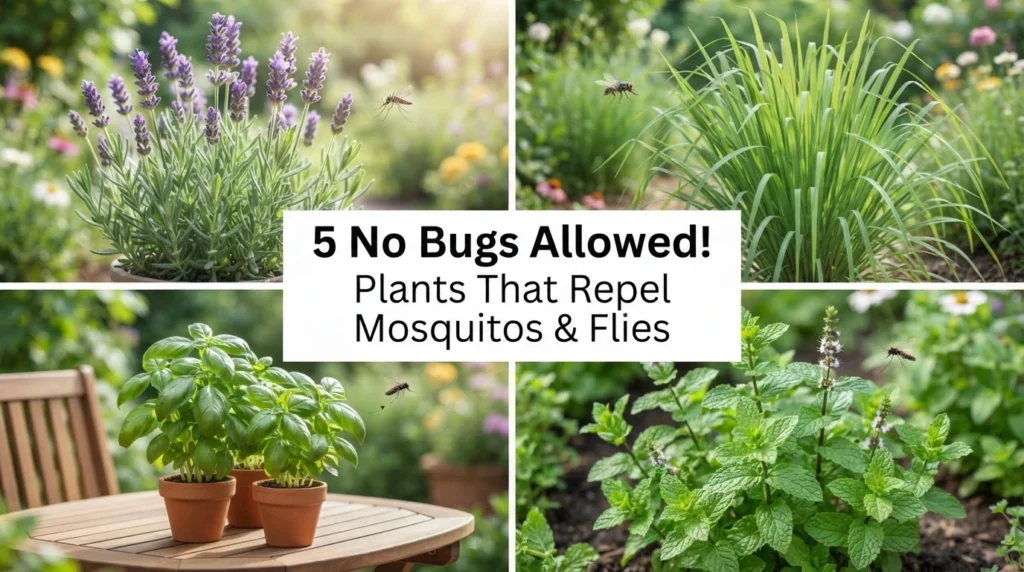
Summer is wonderful and fun. But mosquitos and flies are not welcome. Imagine a nice evening on your patio. Buzzing insects swarm all around you. You do not want that at all. Instead of using chemical sprays, let nature help. These five plants look and smell great. They also keep mosquitos and flies away. Let us learn how to make a bug-free backyard.
1. Citronella Grass (Cymbopogon nardus)

This plant is famous for keeping bugs away. Citronella grass has oils that mosquitos hate. It is a natural way to stop pesky biters. When you brush its leaves, it smells strong. It gives off a citrus smell. This smell confuses mosquitos and keeps them away. It is like a bodyguard plant for you. Plant it around your patio or deck. It makes a sweet-smelling barrier. You can enjoy summer nights without bites.
Citronella grass loves lots of sun. Give it at least six hours a day. Pick a sunny spot for it. It likes soil that drains well. It does not like soggy roots. Water it often in hot, dry weather. Let the top inch of soil dry first. In cold places, grow it as an annual. You can also bring it inside for winter. It cannot handle frost at all. In warm places, it comes back each year.
It is a low-care star for bug control. You do not need to be a garden expert. Just give it sun and water. Add a little love too. It will keep bugs away all season. Its tall grassy blades look tropical and nice. They look great in garden beds or pots. It is a win for beauty and use.
Growing citronella grass is easy to do. Its benefits are worth the small effort. Start with a healthy plant from a nursery. Dig a hole twice as wide as the roots. Make it just as deep too. Place the plant in the hole. Fill the hole back with soil. Water it well right away. For pots, pick one at least 12 inches wide. Make sure it has drainage holes. Space plants 18 to 24 inches apart. This gives them air and room to grow.
Citronella grass is easy to place and use. You can plant it in garden beds. It looks striking as an ornamental grass. You can also keep it in large pots. Move the pots around your patio as needed. Some people crush the leaves and rub them on skin. This works as a natural bug repellent. It lasts for a short time. It is not as strong as store-bought sprays. But it is a great chemical-free choice. Its lemony smell is lovely outdoors. It is nice even when bugs are few.
Citronella grass does more than fight mosquitos. It also makes your garden look lovely. Its tall, arching blades add nice texture. They move gently in the breeze. Plant them in groups for a great look. They also work well as a border. They pair nicely with other sun-loving plants. They add a lush, tropical feel. Imagine a row of citronella grass swaying softly. It lets out a fresh scent in summer. It keeps your outdoor parties comfy and bug-free. It proves useful plants can be pretty too.
2. Lavender (Lavandula angustifolia)

Oh, lavender is a true delight. It has pretty purple flowers. Its sweet smell is calm and lovely. We humans love its scent a lot. But mosquitos and flies hate it. They tend to stay far away. Plant lavender near your seating areas. Put it by windows or doors too. It makes a natural barrier against bugs. It also attracts bees and butterflies. That is great for your garden. It is a win for you. And a loss for bugs.
Lavender is easy once it gets going. That is part of its charm. It loves full sun every day. It is perfect for bright, sunny spots. Good drainage is very important. Lavender hates having wet roots. It will suffer in soggy soil. Water it deeply but not often. Let the soil dry between waterings. Once settled, it handles dry days well. It is great for gardens that save water. Trim it lightly after it flowers. This helps it grow bushier. You will get even more blooms.
Lavender does more than repel bugs. It is loved for its calming power. Its scent is used to reduce stress. It helps people relax and feel calm. You can pick the flowers for sachets. Put them in your drawers for a fresh smell. Add them to homemade soaps too. You can even cook with them. They give food a unique floral taste. Dried lavender bundles look beautiful at home. They smell great as decorations. This plant keeps on giving. It gives joy after the growing season ends.
To start lavender well, pick a healthy nursery plant. Dig a hole twice as wide as the roots. Gently take the plant from its pot. Loosen any roots that circle around. Place it in the hole carefully. Keep the top of the roots level with the soil. Fill the hole with well-draining soil mix. Lavender likes soil that is slightly alkaline. Adding a bit of lime can help. Water it well after planting. This helps the plant settle in.
There are many types of lavender to choose from. Each one smells a little different. They come in different colors too. Some handle cold better than others. English lavender has a sweet smell. It is very cold-hardy as well. French lavender has cute bunny-ear petals. Its scent is stronger and sharper. Spanish lavender is another popular choice. It has showy, pretty flowers. Check which type grows best near you. This will help it grow well. All of them keep bugs away.
Imagine stepping into your garden one summer evening. The air smells sweet with lavender scent. You can enjoy the sunset in peace. You do not need to swat at flies. Its purple blooms add a calm, pretty touch. They make your outdoor space feel peaceful. You can cut a few sprigs for indoors. They will fill your home with a lovely smell. Lavender turns your garden into a calm place. It keeps the space peaceful and bug-free.
3. Marigolds (Tagetes spp.)

Marigolds are bright, cheerful flowers. They bring sunshine to any garden. But they are not just pretty faces. These blooms contain a natural compound called pyrethrum. It repels mosquitos and flies. It also keeps away aphids and other pests. Plant marigolds around your vegetable garden. Put them near your patio or entryways. They make a colorful, sweet-smelling shield. They guard your outdoor spaces like tiny soldiers.
Marigolds are very easy to grow. They forgive small mistakes too. They are great for new and skilled gardeners. They love full sun every day. They are not picky about soil. But soil that drains well is best. Water them often when they are young. Grown plants can handle a little drought. Remove old blooms to get more flowers. This keeps your garden bright all season. It also keeps your bug defense strong.
Marigolds fight more than flying insects. They also deter nematodes and whiteflies. Their roots release helpful substances into the soil. These protect the plants growing nearby. That makes them great companion plants. They pair well with tomatoes and peppers. Plant marigolds among your veggies. It is a smart, natural way to help. It boosts your garden’s health a lot. It is like a secret weapon in plain sight.
Plant marigolds in a spot with lots of sun. For seeds, sprinkle them over ready soil. Cover them lightly with more soil. Keep the soil moist until they sprout. This usually takes about one week. For young plants, follow the tag for spacing. Good air flow helps stop fungal diseases. After planting, water them well. You do not need much fertilizer for marigolds. They like average to slightly lean soil. Too much nitrogen gives more leaves and fewer flowers.
Two main types of marigolds are very popular. There are French Marigolds and African Marigolds. French marigolds are smaller and bushier. They have yellow, orange, or reddish-brown blooms. They are great for borders and pots. They also mix well with vegetables. Their small size makes this easy. African marigolds grow taller and more upright. They make large, pompom-like flowers. These are usually yellow or orange. They make a bold statement in the garden. They are also great at bug control. Both types keep pests away well. Pick the one that fits your space.
Marigolds deter many pests and are easy to care for. That makes them a must for natural pest control. Their bright colors catch the eye. They create pretty focal points in beds. They make garden beds pop with life. Imagine orange and yellow marigolds by your patio. Their strong scent makes an invisible shield. It keeps away unwanted flying guests. They show that useful plants can be beautiful. Simple plants can make a big difference. They boost the joy and health of outdoor areas. Natural solutions can work well and look great.
4. Peppermint (Mentha x piperita)

Peppermint is a strong herb with a fresh smell. It also keeps bugs away naturally. Mosquitos, flies, ants, and spiders hate its smell. This plant is super easy to grow. Often it is a little too easy. It is best to keep it in a pot. That way it will not take over your garden. Put pots on your porch or patio. Place them near doors too. They keep bugs from bothering you. They stop bugs from sneaking inside your home. You can crush a few leaves. Rub them on your skin for a natural bug balm. It is also great for making fresh tea.
Peppermint grows in partial shade to full sun. It handles lots of sunlight well. But it likes a break from hot afternoon rays. This matters most in very hot places. It loves steady moisture a lot. Do not let its soil dry out fully. Water it often during dry spells. This keeps it happy and lush. It spreads fast through underground runners. Growing it in a pot is best. A pot keeps it contained and tidy. If you plant it in the ground, it will spread very fast. It can take over and become dominant. Use a good-sized pot with drainage holes. It will grow well without turning invasive. Trim it back on a regular basis. This keeps it neat and bushy. It also grows more sweet-smelling leaves. That boosts its power against bugs.
Peppermint does more than fight bugs. It is a cooking and health wonder. Its fresh taste is great for garnishing drinks. Add it to salads for extra flavor. Brew it into a soothing tea too. It is often used to help digestion. It can also lift your mood. Imagine snipping fresh leaves for a mojito. As you do, the strong scent drives mosquitos away. This plant offers so much to you. It helps with pests and cooking. It also smells fresh and clean. It truly earns its place in the garden.
To plant peppermint, start with a small plant or cutting. Pick a pot at least 8 to 10 inches wide. This gives it room to grow. Use good potting mix that drains well. Place the plant in the hole. Keep the top of the roots level with the soil. Fill the hole with potting mix. Then water it very well. For best results, check the top inch of soil. Water when it feels dry to the touch. During the growing season, you can add liquid fertilizer. Use it every few weeks for strong growth. But this is not a must. Mints are quite hardy plants. If it gets leggy, give it a trim. This helps new growth start from the base.
Peppermint’s strong scent can also deter rodents. Mice do not like it at all. That makes it a double-duty plant. It helps if you have issues with critters. Place cotton balls soaked in peppermint oil. Put them in problem areas around the house. Keep pots of peppermint near foundations too. This supports a natural pest control plan. Peppermint is tough and resilient by nature. It resists most garden diseases and pests. This cuts the need for chemical sprays. It is a great choice for organic gardens. It also suits gardens that aim to be sustainable.
Peppermint’s smell is pleasant to humans. It also drives away many common pests. One plant can give many benefits. It deters insects from your space. It makes your cooking better too. It may even offer some health benefits. Imagine stepping onto your patio. The fresh scent wakes up your senses. And no pesky bugs bother you. It is a simple and natural fix. It makes outdoor living more peaceful. It shows nature’s own pest control at work.
5. Basil (Ocimum basilicum)
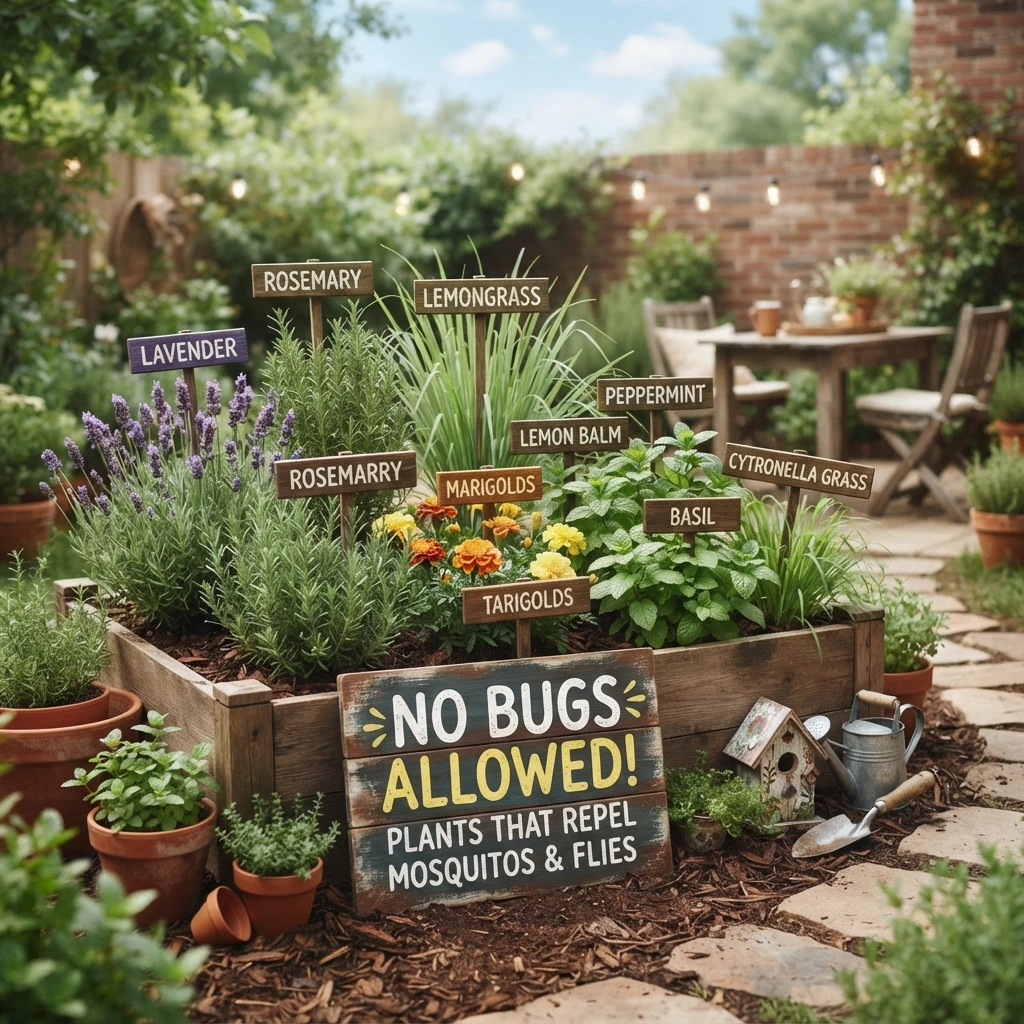
Basil is not just for pesto. It also keeps flies and mosquitos away. This popular herb releases essential oils. Insects find these oils very unappealing. You can plant basil by your kitchen door. Put it in a pot on your patio table. You can also place it near your dining area. The closer it is to you, the better it works. It keeps buzzing pests away from you. Plus, you get a fresh herb for cooking. It is always close at hand. It is a win for you twice. Basil loves sunshine every day. It needs steady water too. It gives you lots of sweet-smelling leaves. You get them all season long.
Basil loves warmth, so plant it after spring frost. Wait until all frost danger has passed. It truly thrives in full sun. It needs six to eight hours of sunlight daily. This gives the best flavor and strong oils. These oils help keep bugs away. Good drainage is key for basil. Plant it in soil that drains well. This works in pots or garden beds. Steady moisture is important too. Basil does not like to dry out fully. Water it often in hot, dry weather. Pinch off the top leaves on a regular basis. This helps the plant grow bushier. It also stops early flowering. Early flowers make leaves less tasty. Those pinched leaves can go straight to your kitchen.
The scent that makes basil tasty also bothers bugs. The compounds in its leaves make a protective bubble. This bubble keeps pests from hanging around. Different basil types have their own scents. Genovese, Thai, and Lemon basil all smell unique. They each repel pests in their own way. Pick the one that suits your cooking best. Choose one that fits your garden style too. Growing several types makes a stronger scent barrier. It creates a more diverse shield as well. It is a must-have plant for home chefs. Outdoor lovers should grow it too.
To plant basil, start with seeds or small plants. If using seeds, sow them outdoors after the last frost. You can also start them indoors a few weeks early. Plant them in rich soil that drains well. Make sure they get plenty of sunlight. Space young plants 10 to 12 inches apart. This allows good airflow and growth. Right after planting, water them well. This helps settle the soil around them. During the growing season, you can add liquid fertilizer. Apply it every few weeks for best results. Usually rich compost soil is enough. It keeps the plant happy and healthy. Watch for signs of stress in leaves. Drooping leaves often mean it needs water.
Basil is useful for pests and cooking. It also looks pretty in the garden. Its green leaves are bright and vibrant. Some types have purple-tinged leaves too. They contrast nicely with other plants. Plant basil in pretty pots for charm. This adds freshness to your patio or deck. You can mix basil with other sun-loving herbs. This makes an attractive edible container garden. It is both beautiful and useful. Its upright shape adds nice texture. Its lush leaves boost the beauty of outdoor spaces.
Imagine eating a meal outside in the fresh air. Potted basil sits on your table. More pots stand around your seating area. The gentle aroma floats through the air. It keeps flies and mosquitos away. It also gives you fresh herbs for dishes. This mix of use and beauty is special. It makes basil a must-have plant. You can enjoy outdoor spaces without bugs. It is a simple and natural fix. It works very well indeed. It makes your space peaceful and fun. Even common kitchen herbs can fight pests.
Final Thoughts
Bringing plants to your outdoor space is smart. It is a natural way to stop mosquitos and flies. These five plants are Citronella Grass and Lavender. They also include Marigolds, Peppermint, and Basil. They are pretty and smell great. They also work as strong bug repellents. They are safe and non-toxic too. They are a great addition to any garden. They make patios more fun as well. Your outdoor living will be more enjoyable. So go ahead and start planting. Take back your backyard from pesky bugs.
Stay Updated
Subscribe with your email and get notified whenever we publish new posts.