
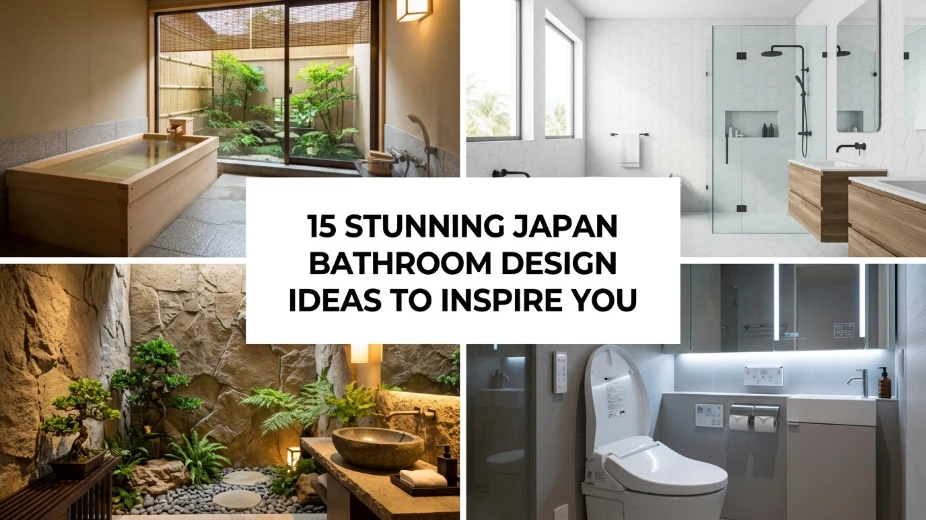
Ever dream of a bathroom that feels like a calm hideout? A place where you can rest and wash the day away? Japanese bathrooms are all about calm and peace. They use natural things, smart space, and a deep love for water. If you want your bathroom to be more than just a wash room, you are in the right place. Get ready for nice and useful ideas that will make your bathroom feel like a spa.
1. The Ofuro Bathtub Experience
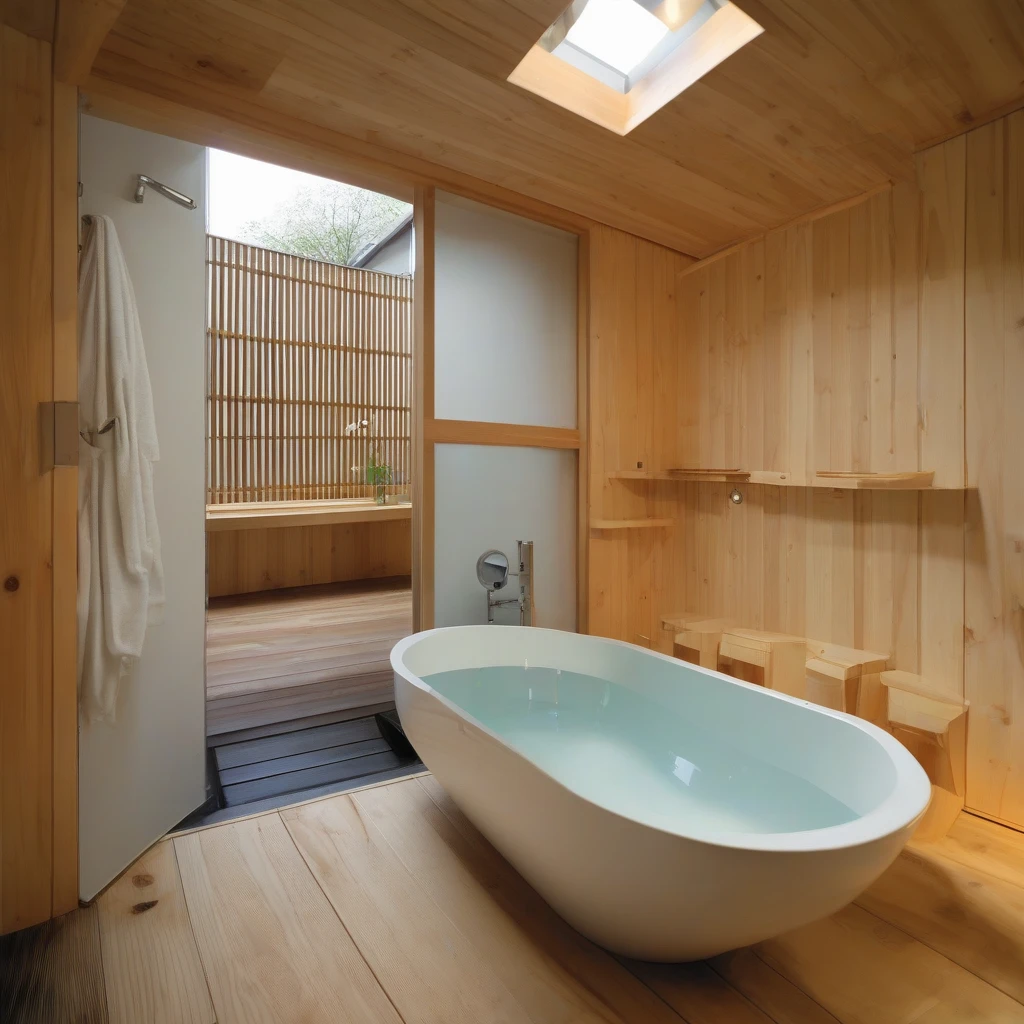
The Ofuro bathtub is the heart of a Japanese bathroom. It is not a normal tub. It is deep but short. You sit up straight and soak up to your neck. This is all about deep rest and warmth. It is perfect after a long day. Many Ofuro tubs are made of wood, like Hinoki cypress. The wood gives off a lovely smell when it gets warm. It is best for people who love long, quiet soaks. It brings real Japanese culture into your home. You always wash yourself before getting into the Ofuro. This keeps the bath water clean for pure soaking. It is a real break from the rush of daily life. Just think of warm water and the calm smell of wood. Pure bliss.
The deep shape of the Ofuro lets you sit up while your whole body, even your shoulders, stays under warm water. This upright way of sitting is very comfy. It helps you relax deeply and feel calm. The tub is shorter than a normal Western tub, so it can fit in smaller rooms. People often use a small wooden stool and a bucket with it for rinsing. That keeps the old washing ritual alive. The wood gives the bath a soft, earthy smell. It turns bathing from a quick wash into a calm, healing ritual.
2. Wet Room Concept

Japanese bathrooms often use the wet room style. The shower is not closed off from the rest of the room. The whole floor is waterproof and slopes a little to a drain. This makes the room feel bigger and more open. Cleaning is very easy too. You do not worry about water splashing out of a small shower. This is great for making tiny bathrooms feel big and rich. It is a smart and modern style that looks clean and simple.
With no shower curtain or glass box, the whole bathroom flows as one space. That makes a small room look much bigger. The floor often has non-slip tiles, so it is safe even when wet. There are no steps or walls to cross, so it works for people of all ages. Cleaning is easy. Just wash the whole floor down and let it drain. Dirt has no hidden corners to sit in, so the room stays cleaner. You can also place things where you like, since no shower box gets in the way. The result is a simple and modern look.
3. Natural Stone and Wood Accents

Japanese design loves to bring nature inside, and the bathroom is no different. Think of natural stone for the floor or the sink top. Think of warm wood for shelves, stools, or the tub side. These things make the room feel earthy and calm. They grow nicer with age and add texture without too much noise. It is best for people who want a spa feel that is close to nature. These small touches make the room feel rich and warm.
Natural stone like river pebbles, granite, or slate can be used on floors or walls. It feels like a natural hot spring and is nice to touch and see. The small color and texture changes in the stone feel real and calm. Wood in light tones, like bamboo, Hinoki cypress, or cedar, adds warmth to the hard bathroom surfaces. Wooden slatted walls or screens can give privacy without blocking light or air. They add a fine detail to the room. Natural things feel soothing. They make the room look better and keep it healthier, since there are fewer man-made things in it.
4. Minimalist Aesthetic

Less is more in Japanese design, and you see it in their bathrooms. Simple design means clean lines, clear surfaces, and plain colors. Whites, grays, and wood tones are the norm. This makes the room calm and neat, so it feels peaceful and big. It is perfect for people who hate clutter and want a quiet, almost meditative room. Each thing has a job, and nothing sits there just for show. This style shows beauty and use in simple things.
A truly simple Japanese bathroom puts use and flow first. Storage is smart and hidden, so counters stay free of bottles and brushes. Fixtures are plain and sit flat with the surfaces, which keeps the lines clean. The colors are mostly plain, which calms the eye and lets the natural textures shine. Light is often soft and indirect, which adds to the calm mood instead of making hard shadows. This is not about cold and empty rooms. It is about choosing each thing with care, so it helps the room feel peaceful and neat. It is a room where your mind can rest, with nothing to distract it.
5. Soji Screen or Frosted Glass Dividers

To make private corners without blocking light, Japanese design often uses screens. Think of old Shoji screens with paper-like panels and wood frames. Or use modern frosted glass panels. They let light pass through, which makes a soft glow and a gentle sense of divide. They add art to the room and can split the toilet from the sink, or the bath from the rest of the room. It is a stylish way to add privacy and control the light.
Shoji screens use fine rice paper (washi) and wood grids. They give a nice mix of privacy and light. They make a soft light that feels like old Japanese rooms, which adds to the calm mood. They need careful care, but they look very fine. For a stronger and more modern choice, frosted glass panels do the same job. They hide the view but let plenty of light in, so the room feels open and airy. These dividers can be fixed or sliding, so you can set the room up as you like. They can also have fine patterns, which adds a nice touch that is both useful and pretty.
6. Zen Garden Elements
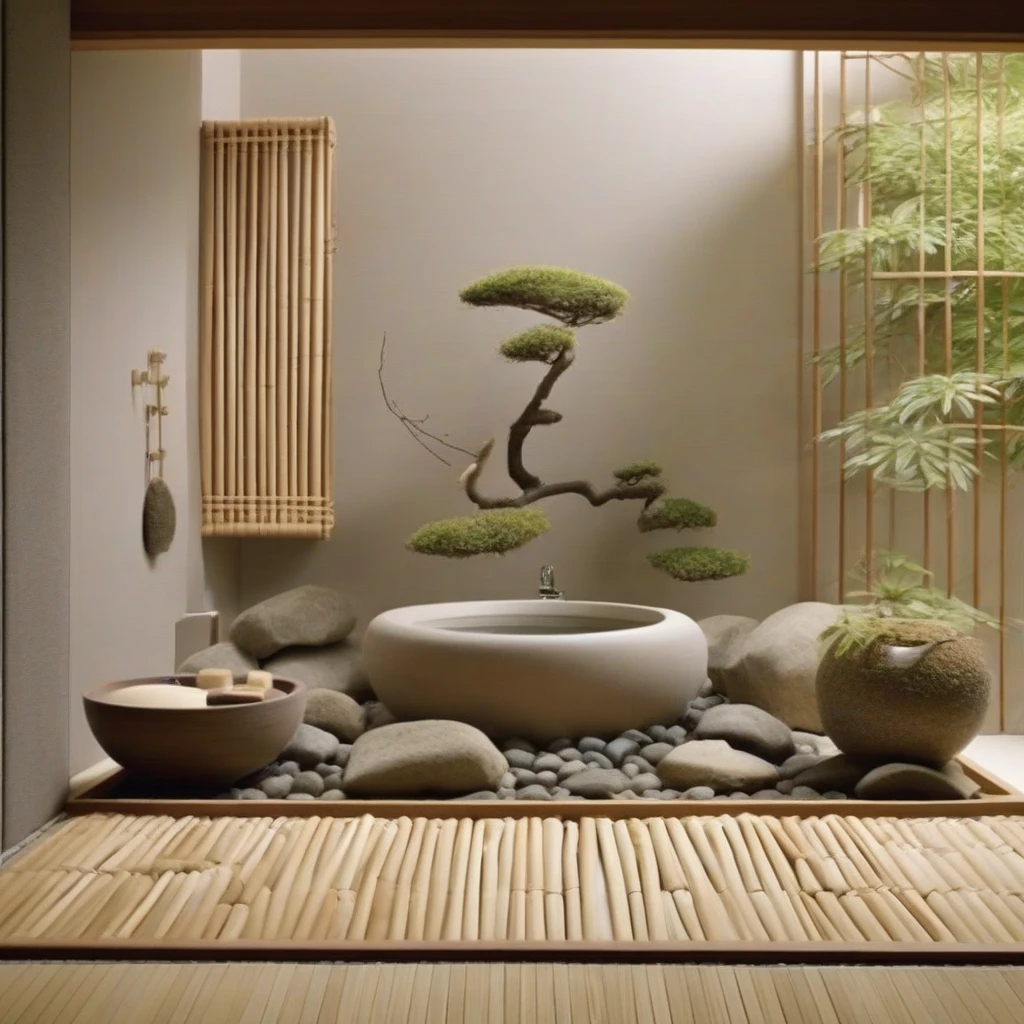
Why not bring a little Zen garden into your bathroom? It could be a small rock garden in a corner, one bonsai tree, or just smooth river stones with a few green plants. These things add peace, calm, and a link to nature. They are perfect for a truly calm room. Just make sure any plants you pick can live with the damp air of a bathroom. It is a lovely way to add a focus point and a place for quiet thought.
You do not need a big space for Zen garden bits. Even a small, well-set corner can make a big mark. A tray with fine sand and a small raked pattern, with a few pebbles, can be a spot for quiet thought. A tiny bamboo plant or a small fern in a plain pot can add a calm touch of green. The key is to keep it simple and neat, with no clutter. The rocks, the lines in the sand, and the living green make a small scene that helps you slow down and feel calm. It is a visual anchor that brings peace and a link to nature, even in your bathroom.
7. Smart Storage Solutions

In Japanese homes, smart use of space is key, and that is true for bathrooms. This means hidden cabinets, plain shelves, and built-in storage that hides clutter. Think of wall niches for soap, floating sinks with big drawers, or nice wooden boxes for small things. The goal is to keep surfaces clear and the room neat and big. It is great for people who love order and a clean look. Here smart use meets beauty.
Good storage in a Japanese-style bathroom is built in and out of sight. Instead of big free-standing units, builders often use storage that blends into the wall or the cabinets. Mirrored medicine cabinets with hidden shelves, slim pull-out storage next to the sink, or floating shelves made of the same stuff as the walls keep things neat without breaking the simple look. These keep the counters clear and help the room feel open with clean lines. The aim is that each thing is easy to reach but hidden when not in use. That brings the calm and order that Japanese design is built on. Each item has its own spot, often out of sight.
8. Sliding Doors for Efficiency
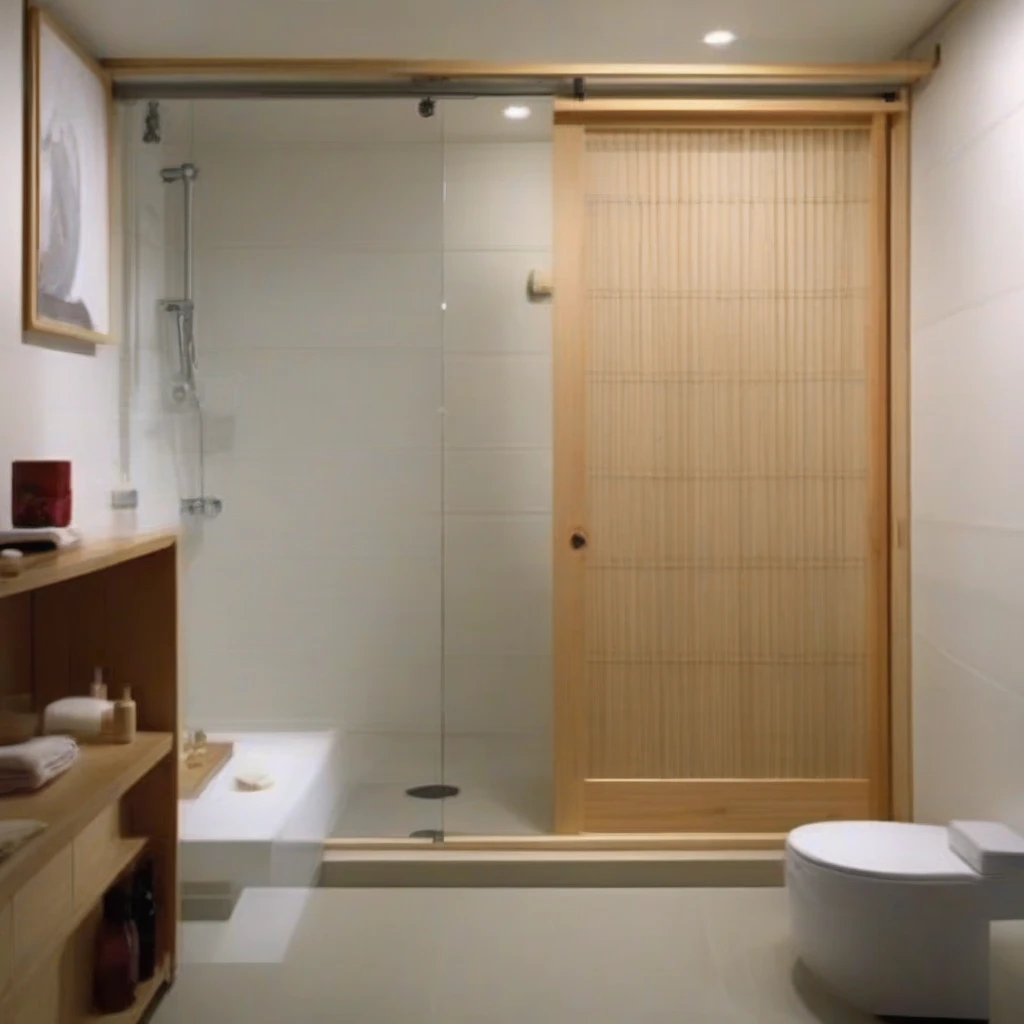
Sliding doors (fusuma or shoji) are very common in Japanese homes to save space, and they work well in bathrooms too. A sliding door moves on a track instead of swinging open and taking up floor space. It can slide into the wall (pocket door) or along the wall. This is great for small bathrooms or for linking the bathroom to a room next door, like a dressing area. It is a smart, space-saving choice that adds a sleek Japanese touch.
Sliding doors are very useful, mainly in small rooms where each inch counts. A pocket door hides fully inside the wall, which looks the cleanest and saves the most floor space. Surface-mounted sliding doors stay visible, but they can still look good if made of fine stuff like frosted glass, wood panels, or panels that look like old shoji screens. Besides saving space, they make a smooth link between rooms, so the rooms feel open when the door is open. They also keep the simple look by cutting down visual noise. This door is smart and pretty at once, which is the heart of Japanese design.
9. Thoughtful Lighting

Light in a Japanese-style bathroom is about mood, not just brightness. Think soft, warm, indirect light instead of harsh ceiling lights. This can come from soft wall lights, LED strips hidden under the sink or shelves, or even paper lanterns (if safe to use in a damp room). The goal is a calm, spa-like glow that helps you relax. It sets a soothing tone for your morning or your evening soak.
Smart light design in a Japanese bathroom builds layers of light that help you feel well. Soft main light, often from dimmable ceiling spots, gives overall light without being too bright. Accent light, like LED strips hidden behind mirrors or under shelves, can show off nice features or add a soft glow. Light by the mirror should be strong enough for grooming but still kind to the eyes. Warm colors (around 2700K-3000K) feel like natural light or candlelight, which helps you relax. If you can control each light on its own, you can move from bright work light to a calm, quiet mood with ease.
10. Organic Shapes and Textures
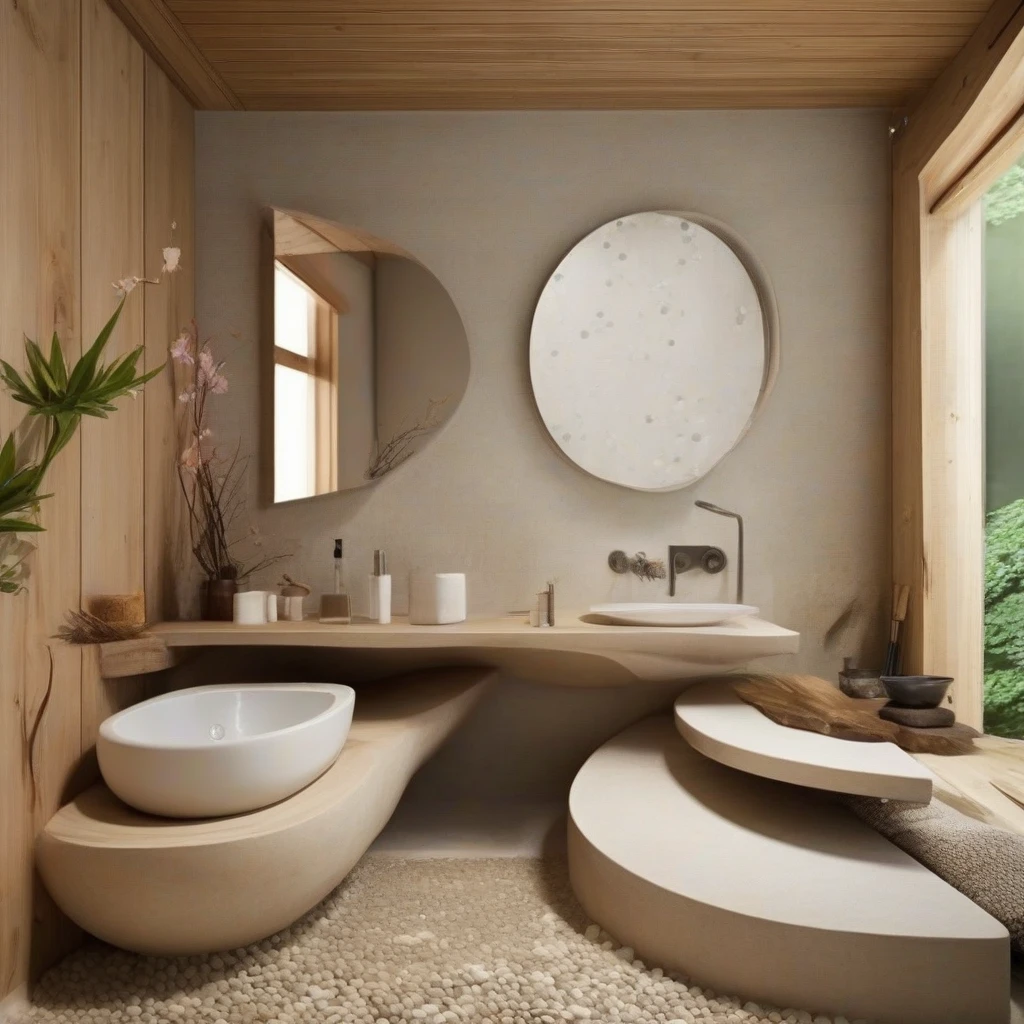
Japanese design often uses soft shapes and natural textures to make a calm room. Instead of sharp corners, think of round vessel sinks, smooth river stones, or gently curved wooden stools. These shapes feel more natural and soft, which adds to the calm and flow. Mixing rough textures like stone with smooth things like polished wood adds depth without bright colors or loud patterns. It touches your senses in a quiet, lovely way.
Soft shapes and textures are a clear nod to the beauty of nature. A basin cut from one piece of stone, or one with a gently uneven rim, can stand like a sculpture in the room. Pebbles on the shower floor or textured tiles on a wall invite touch. The grain of wood, in a sink unit, a shelf, or wall panels, feels rich and changes with light and shadow. These natural things are not all the same or made to look perfect. Their small flaws are loved, which adds charm and warmth. This style moves away from cold, machine-made rooms to a more human space that feels real and close to the earth.
11. Hinoki Wood Everywhere

Hinoki cypress wood is loved in Japan and is a great fit for bathrooms. It stands up to mold and rot on its own. It has a lovely light color and a citrusy, woody smell that is hard to beat. That makes it perfect for tubs, stools, wet room floors, or even ceiling panels. The smell it gives off with warm water is known for calming and cleaning the air. Using Hinoki brings a true, rich, sensory Japanese feel to your bathroom. It is an investment that pays back in rest.
Hinoki wood offers more than looks and scent. Its natural oils kill germs, which makes it a clean choice for bathrooms. The wood feels warm and soft underfoot, mainly on tub sides or slatted floor mats, which feels rich. Beyond the Ofuro, Hinoki can be used for custom sink units, fine towel racks, or even small things like soap dishes. Its pale, creamy color keeps the room light and airy. Its soft, fresh scent helps you relax and also covers bad bathroom smells, so the room stays fresh and inviting.
12. Floating Vanity
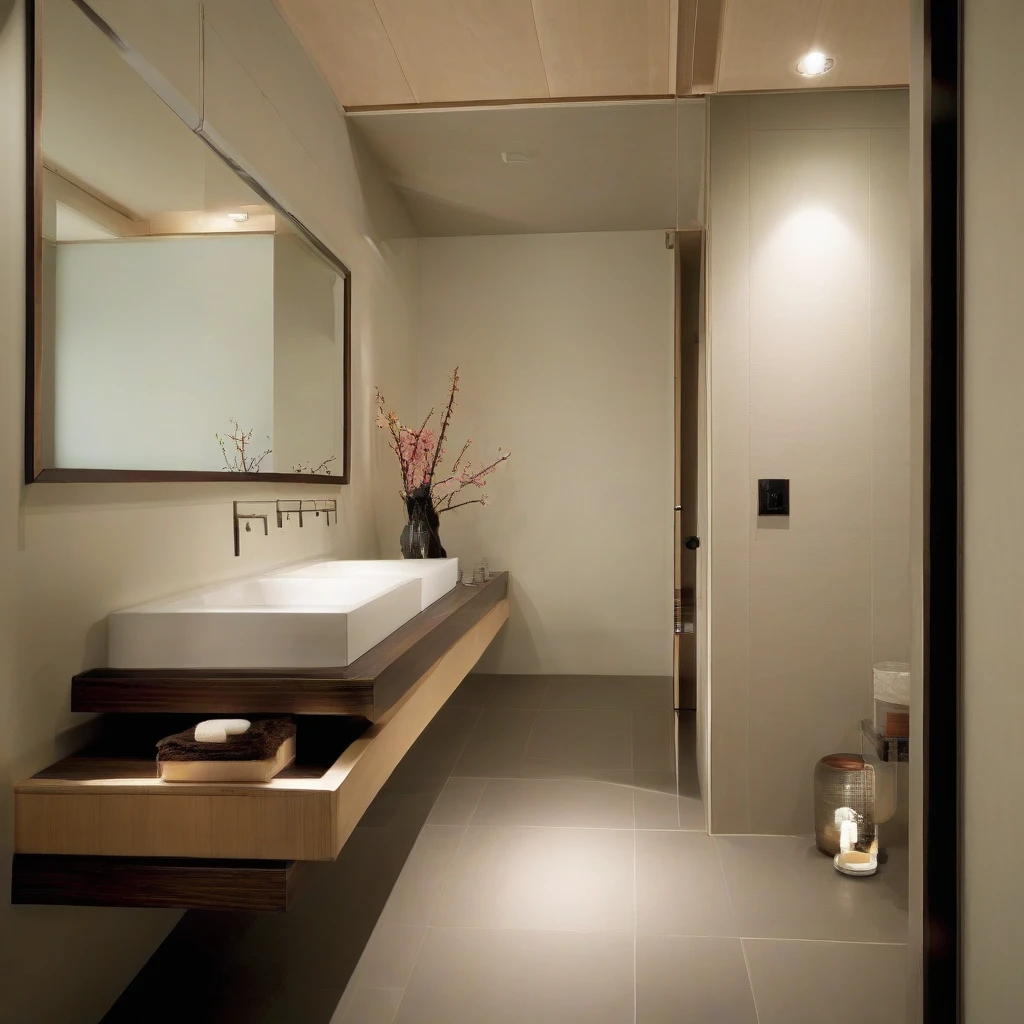
A floating vanity hangs on the wall with no legs on the floor. It is a must in modern Japanese bathroom design. This simple trick makes the room feel much bigger and more open. The clear space below makes cleaning easy and keeps the clean, uncluttered look. It often comes with a sleek, plain sink and maybe a wood finish. It is both stylish and very useful. It is an easy way to make your bathroom feel bigger.
A floating vanity is not just pretty. It has real perks too. The open space below lets you sweep or mop with ease, so dust has no corners to hide in. It also gives you a spot for a bathmat or a small stool without blocking the room. It makes strong horizontal lines, which make the room look wider and longer. It can be made in many things, from natural wood to concrete or shiny finishes, so you can pick many looks while keeping the airy lift. The floating feel adds a lot to the calm, uncluttered mood of Japanese design.
13. Integrated Toilet and Bidet

Japanese toilets, often called “Washlets” (a brand name that is now used for all), are known around the world for smart features and clean use. They join a toilet and bidet in one sleek unit. They often have warm seats, adjustable water sprays, and even air dryers. They may seem very high-tech, but they show the Japanese love for comfort, clean use, and smart design. Adding this fine appliance lifts the whole bathroom and makes it look modern. It is a key part of a true and rich Japanese bathroom.
The Washlet shows how much Japan values personal clean use and comfort. These smart toilets often have easy controls. You can set the water pressure, heat, and spray spot to suit you. Beyond the bidet, many models have lids that open and close on their own, nozzles that clean themselves, and deodorizers. These keep the bathroom fresh and pleasant. Tankless designs with sleek shapes also keep the simple look, since all the functions sit inside the ceramic bowl. This mix of smart tech and thoughtful design is a mark of modern Japanese bathrooms. It gives a level of ease and luxury that is both useful and indulgent.
14. Tsubo Niwa (Miniature Courtyard Garden)

If you have the space and a wall that faces outside, think of adding a Tsubo Niwa, or a small courtyard garden. This tiny, often walled garden seen from the bathroom can give a stunning natural view. It brings light and nature right into your private hideout. It adds depth, a sense of openness, and a lovely living bit to the room. Even a small patch with one plant, some stones, and maybe a bamboo water feature can make a big change. It is like your own private piece of living art.
A Tsubo Niwa is more than a garden. It is a small scene built to be viewed from inside, like a living work of art. Even a tiny space can change with a few well-placed rocks, moss, a chosen evergreen plant, and gravel. The play of light and shadow, and the seasons seen in the garden, give a live backdrop to your daily routine. If you have room, a small water feature, like a bamboo shishi-odoshi (deer scarer) that gently clacks, can add a soft sound that deepens the calm. The garden becomes part of the bathroom. It blurs the line between inside and out, and links you to the calm rhythms of nature.
15. Earthy and Neutral Color Palette

A key rule of Japanese design is to make calm through color. That means earthy and plain colors. Think soft whites, warm grays, quiet greens, sandy beiges, and wood tones. These colors bring peace, a link to nature, and simplicity. They let the textures and the play of light take the lead, instead of hitting the eye with bright or loud colors. It is about a calm backdrop for rest.
The choice of earthy, plain colors is not just about looks. It works on the mind too. These colors soothe the eye, cut visual noise, and make the room feel bigger and calmer. Whites and light grays bounce light, so the room feels brighter and wider. Beiges and light wood tones add warmth and a link to nature. Even small texture changes inside these plain colors, like a rough stone tile next to a smooth sink, add depth without breaking the peace. This simple use of color keeps the bathroom a calm hideout, free of noise and made for quiet thought. It is the true heart of Japanese design.
Japanese bathroom design is about more than looks. It is about making a room that cares for your well-being. From the calm of an Ofuro tub to smart storage, these ideas show how simple things, nature, and thoughtful design can turn your bathroom into a private oasis. Let these ideas guide you as you make your bathroom a truly peaceful and healing retreat.
Stay Updated
Subscribe with your email and get notified whenever we publish new posts.