

Rediscovering the Great Outdoors: 20 Nature Activities for Kids
In an age dominated by screens and digital distractions, the call of the wild has never been more important. Nature isn’t just a backdrop for play; it is a living, breathing classroom that fosters creativity, resilience, and physical health. Whether you have a sprawling backyard, a local park, or a small balcony garden, the opportunities for discovery are endless. Engaging children with the natural world helps them develop a sense of wonder and a lifelong respect for the environment.
From the microscopic world of soil-dwelling insects to the celestial wonders of the night sky, here are twenty immersive activities designed to get kids outside, getting their hands dirty, and expanding their horizons.
1. Scavenger Hunts
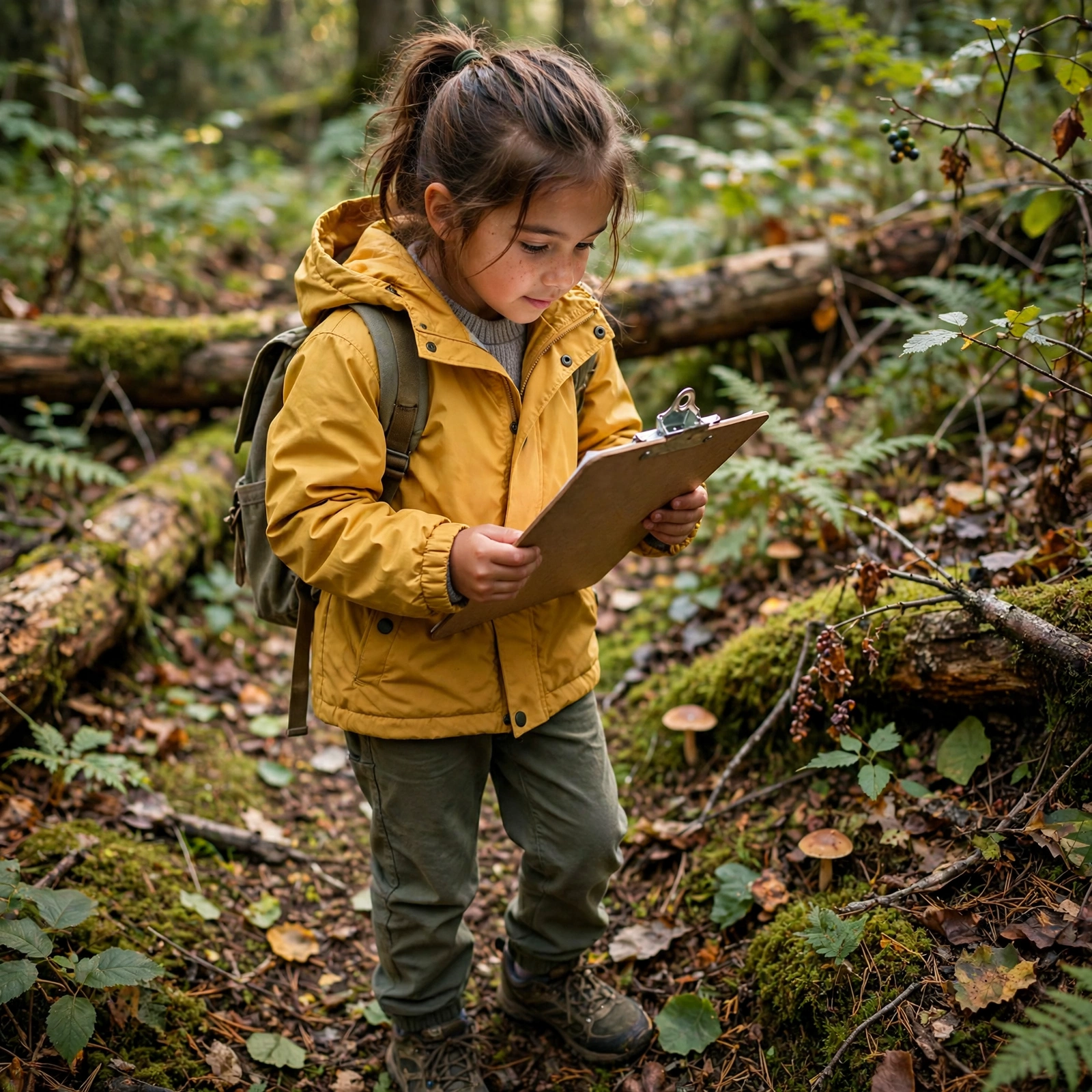
Scavenger hunts are the ultimate way to turn a simple walk into a high-stakes adventure. By providing children with a list of specific items to find, you sharpen their observation skills and encourage them to look closer at the world around them.
To make it engaging, vary the items on the list. Instead of just “a leaf,” ask for “a leaf with jagged edges” or “something that feels fuzzy.” This requires them to use their tactile and visual senses. For older children, you can create a “sensory” scavenger hunt: find something that smells like pine, something that makes a crunching sound, or something that reflects light. It transforms the environment into a puzzle waiting to be solved.
2. Mud Kitchens

There is a primal joy in getting messy, and a mud kitchen is the perfect outlet for this creative urge. It is a sensory-rich environment where “mud pies,” “leaf soups,” and “twig stews” become the main course.
Setting up a mud kitchen doesn’t require expensive equipment. Old pots, pans, muffin tins, and wooden spoons from a thrift store are perfect. Add a source of water and a patch of dirt, and the play will sustain itself for hours. This activity isn’t just about the mess; it’s about chemistry and physics. Children learn how much water is needed to make the perfect “batter” and how different natural elements like sand or pebbles change the texture of their creations.
3. Rock Painting

Rocks are nature’s canvases. Collecting smooth stones from a riverbed or a garden path is the first step in a multi-stage creative process. Once collected and cleaned, these stones can be transformed into anything the imagination allows.
Use acrylic paints or waterproof markers to decorate the rocks. Kids can create “story stones”—rocks painted with different characters and objects that can be used to tell a spontaneous story. Alternatively, they can paint “kindness rocks” with positive messages and hide them around the neighborhood for others to find. This blends art with a sense of community and secret-keeping that children find irresistible.
4. Bird Feeders

Feeding local wildlife is a wonderful way to teach empathy and biology. Making DIY bird feeders allows children to see the direct impact of their actions on the ecosystem.
One of the simplest methods is using a pinecone, peanut butter (or suet), and birdseed. For those with nut allergies, a hollowed-out orange half filled with seeds works perfectly. Once the feeders are hung, the activity shifts to observation. Keep a bird identification book or app handy to help children name the visitors to their garden. They’ll learn about different species, their seasonal migrations, and their unique feeding habits.
5. Leaf Rubbing

Leaf rubbing is a classic nature craft that combines art with botanical study. It allows children to capture the intricate patterns and “skeletons” of various leaves without needing to be master illustrators.
Gather a variety of leaves with prominent veins—oak, maple, and ivy work particularly well. By placing the leaf under a sheet of paper and rubbing a crayon or charcoal over it, the textures are transferred beautifully to the page. This activity can lead to a deeper discussion about how leaves transport water and nutrients, making the invisible visible. It’s a great way to document the changing seasons as leaves change shape and texture.
6. Bug Hotels
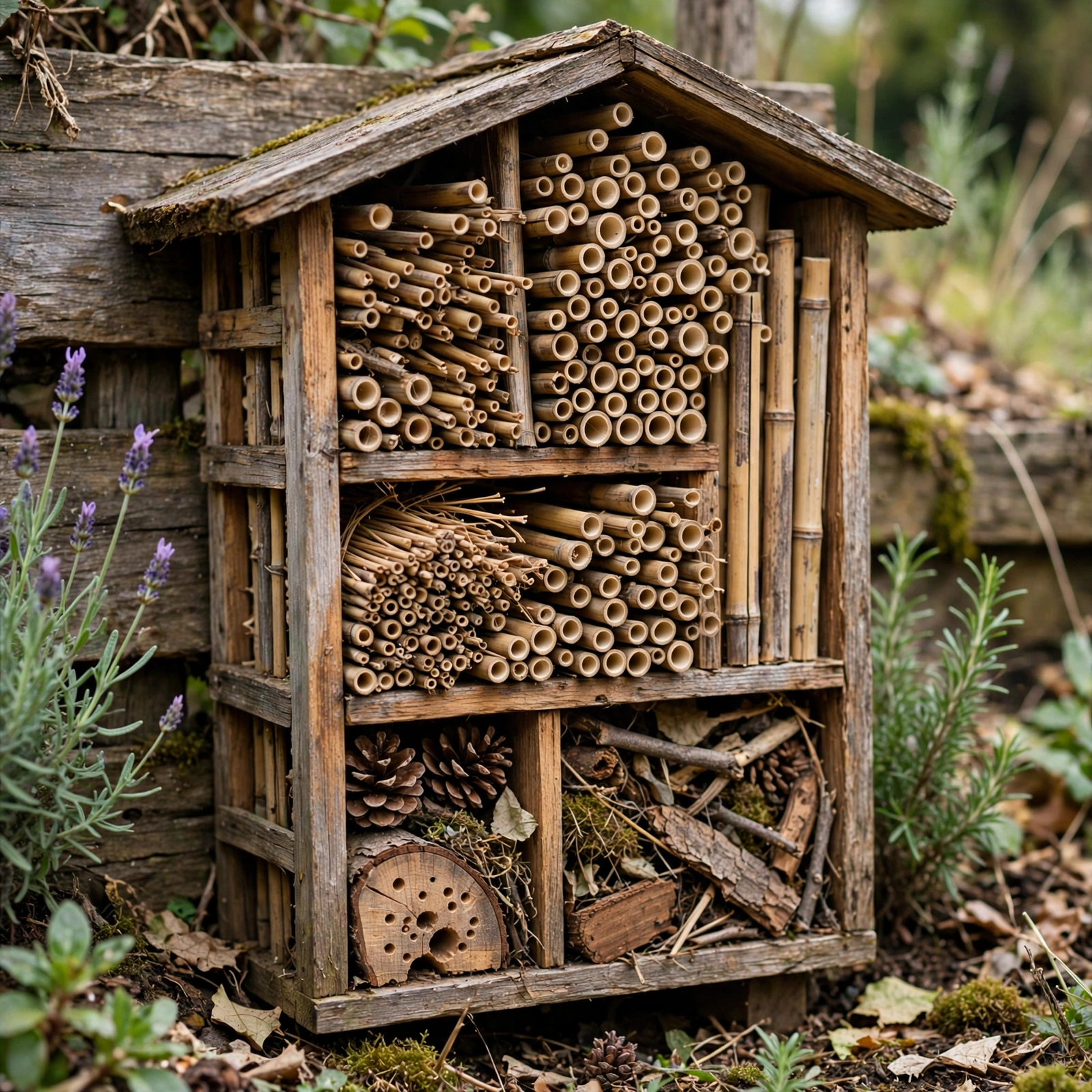
Most children are naturally curious about “minibeasts.” A bug hotel provides a safe habitat for beneficial insects like solitary bees, ladybugs, and lacewings, offering a front-row seat to their busy lives.
Building a bug hotel is an exercise in engineering. Using a wooden frame or even a large plastic bottle with the top cut off, children can fill the space with different textures. Hollow stems provide nesting sites for bees, while dry leaves and bark offer shelter for beetles. Placing the hotel in a quiet corner of the garden allows the children to check back periodically and see who has moved in, fostering a protective attitude toward the smallest members of our world.
7. Flower Pressing

Flower pressing is a lesson in patience and the preservation of beauty. It allows children to keep a piece of summer or spring long after the blossoms have faded from the garden.
The process is simple: collect fallen or picked flowers, place them between sheets of parchment paper, and tuck them inside a heavy book. After a few weeks, the flowers are thin, delicate, and preserved. These pressed treasures can be used to make greeting cards, bookmarks, or even framed art. It’s an activity that encourages children to appreciate the fleeting nature of growth and the intricate details of floral anatomy.
8. Bark Rubbing

Every tree has a unique fingerprint in its bark. Bark rubbing is a tactile way for children to explore the differences between species—from the papery bark of a birch to the deep, rugged grooves of an oak.
All that’s needed is paper and a thick crayon or charcoal stick. By pressing the paper against the trunk and rubbing firmly, the texture of the tree is revealed. This can be the start of a “Tree Diary,” where children collect rubbings from different trees in their neighborhood, noting the location and the time of year. It builds a connection to the giants of the natural world and encourages them to look up and around.
9. Fairy Gardens

Fairy gardens are an exercise in miniature landscaping and storytelling. They allow children to create a tiny, magical world within a flowerpot or a hidden corner of the yard.
The key to a great fairy garden is using natural materials in clever ways. An acorn cap becomes a bowl; a flat stone becomes a doorstep; a sprig of rosemary becomes a tiny evergreen tree. This activity encourages fine motor skills and imaginative play. As the child maintains the garden—watering the moss or rearranging the “furniture”—they develop a sense of stewardship over their small creation.
10. Puddle Jumping
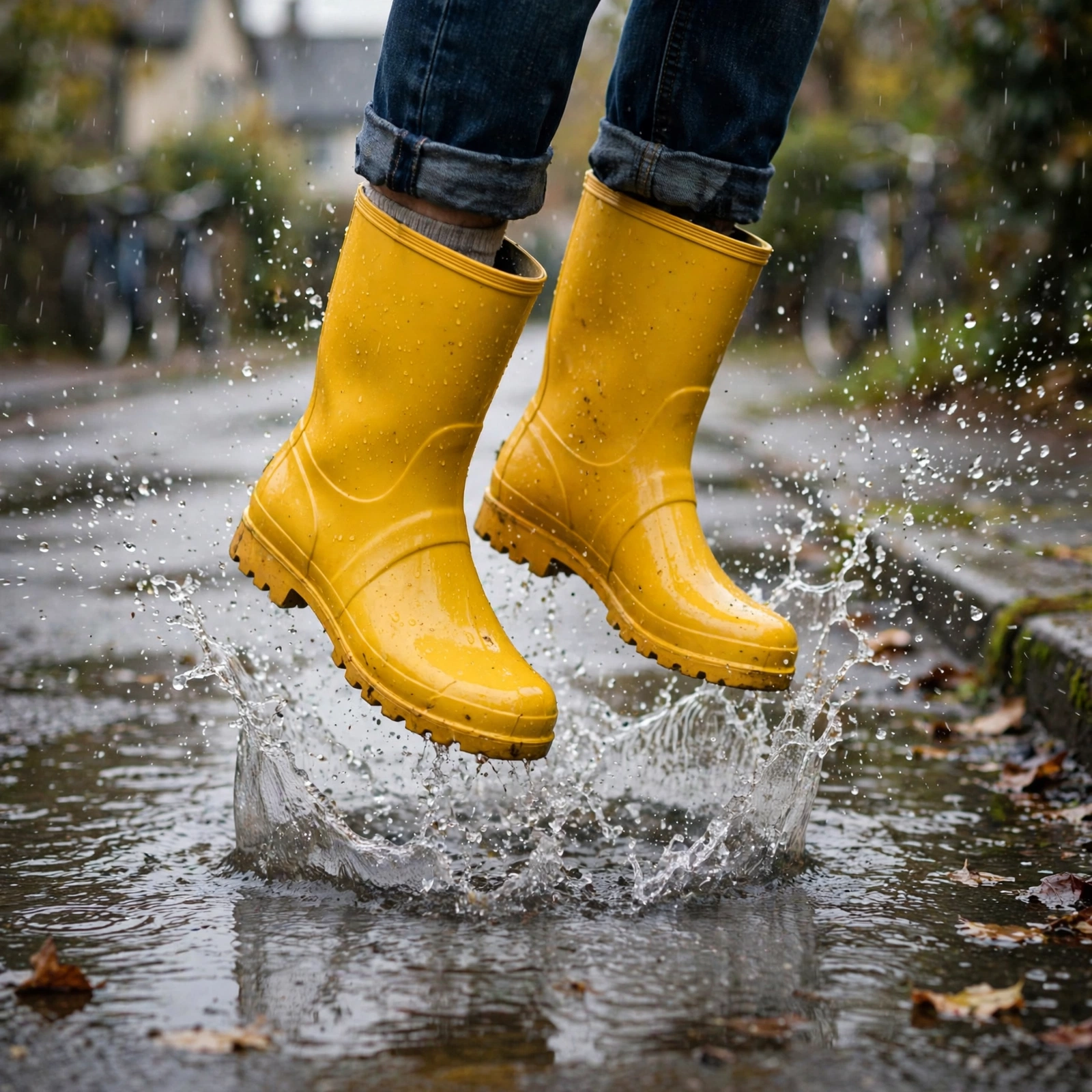
Nature play shouldn’t stop just because the weather turns gray. Rain brings a whole new set of sensory experiences, and puddle jumping is perhaps the most joyful of them all.
Dressing in waterproof gear removes the worry of getting wet, allowing kids to embrace the elements. Beyond the fun of the splash, puddle jumping can lead to scientific inquiries: Why are some puddles deeper than others? Where does the water go when the sun comes out? Watching the ripples and the way water moves teaches basic principles of fluid dynamics in the most entertaining way possible.
11. Cloud Watching

In our fast-paced world, the art of doing “nothing” is incredibly valuable. Cloud watching is a meditative activity that encourages pareidolia—the tendency to see meaningful shapes in random patterns.
Lying on a blanket and watching the sky helps children slow down and regulate their breathing. Is that cloud a dragon? A giant ice cream cone? A ship sailing across the blue? This builds imaginative capacity and can be a gateway to learning about meteorology. They can learn to identify different types of clouds—cirrus, stratus, and cumulus—and predict what kind of weather might be coming their way.
12. Nature Journaling

A nature journal is a personal record of a child’s relationship with the environment. It combines art, writing, and scientific observation into one portable project.
Encourage children to record what they see, hear, and feel. They can tape in a fallen leaf, sketch a strange bug, or write a poem about the sound of the wind. There are no rules in nature journaling, which makes it an excellent tool for self-expression. Over time, the journal becomes a precious keepsake of their childhood explorations and a record of the changing environment around them.
13. Stick Forts

Building a fort out of sticks is a quintessential childhood experience. It requires teamwork, spatial awareness, and a bit of basic engineering.
Finding the right spot—usually against a sturdy tree trunk—is the first challenge. Then comes the gathering of materials. Kids learn which branches are strong enough to support weight and how to lean them together to create a stable structure. Once the frame is built, they can “thatch” it with smaller twigs, leaves, or ferns. This becomes a secret base for imaginative play, a reading nook, or a place to hide and observe the woods.
14. Garden Planting

Giving a child their own patch of soil—even if it’s just a pot on a windowsill—is a powerful way to teach them about the cycle of life. Planting a seed and watching it grow into a flower or a vegetable is a magical process.
Start with “easy-to-grow” plants like sunflowers, radishes, or beans, which show rapid progress. This provides immediate reinforcement for their efforts. Caring for a plant requires consistency; they must remember to water it and check for pests. The reward of eating a tomato they grew themselves or seeing a sunflower taller than they are builds immense confidence and a practical understanding of where food comes from.
15. Snail Racing

Nature moves at its own pace, and snail racing is a humorous way to lean into that slowness. It’s an activity that requires gentle handling and quiet observation.
Children can find snails in damp garden corners and set up a “track” on a flat stone or a large leaf. Watching how a snail moves—using its muscular foot and leaving a silvery trail—is fascinating. It’s a great opportunity to talk about gastropods, how they use their antennae to “see” and “smell,” and why they carry their houses on their backs. Remember to always release the “athletes” back to their shady homes once the race is over.
16. Solar Oven

Using the power of the sun to cook food is a brilliant way to introduce concepts of renewable energy and heat absorption. A simple solar oven can be made from a pizza box, some foil, and plastic wrap.
By angling the foil to reflect sunlight into the box, the internal temperature rises enough to melt chocolate for s’mores or warm up a piece of bread. Children can experiment with different angles and times of day to see when the “oven” is most effective. It’s a delicious science experiment that demonstrates the tangible power of the sun’s rays.
17. Seed Bombs

Seed bombs (or seed balls) are a fun, slightly messy way to help “green” the environment. They consist of seeds wrapped in a protective layer of clay and compost.
Kids enjoy the tactile process of mixing the mud and clay and rolling them into balls. Once dried, these bombs can be tossed into barren patches of garden or neglected urban spaces (with permission). When it rains, the clay breaks down, and the seeds—protected from birds and the elements—begin to sprout. It turns the child into a “guerrilla gardener,” taking an active role in spreading biodiversity.
18. Nature Weaving

Nature weaving is a beautiful way to create temporary art using the colors and textures of the season. It combines the structure of a loom with the randomness of natural finds.
Build a simple frame using four sticks lashed together with twine. Then, create a “warp” by winding string vertically across the frame. Children can then “weave” in long blades of grass, flexible twigs, colorful flower stems, and even feathers or sheep’s wool found on fences. The result is a tactile tapestry that reflects the specific landscape and time of year. Because it’s made of organic materials, it can eventually be left to return to the earth.
19. Star Gazing

The natural world doesn’t go away when the sun sets; it just changes. Star gazing opens up a child’s mind to the vastness of the universe and the wonders of astronomy.
You don’t need an expensive telescope to start; a pair of binoculars or even the naked eye is enough to spot the moon’s craters or the most prominent constellations. Use a star map or a mobile app to find the Big Dipper or Orion. Learning the stories and myths behind the constellations adds a layer of history and literature to the experience. It’s a quiet, awe-inspiring way to end a day of outdoor exploration.
20. Herb Drying

If you’ve grown herbs in your garden or a pot, drying them is the perfect way to preserve their scent and flavor. It’s a simple domestic craft that involves the sense of smell and the understanding of preservation.
Children can help harvest the herbs, tie them into small bundles, and find a dry, dark place to hang them. Watching the leaves go from soft and fragrant to brittle and concentrated is a lesson in evaporation. Once dry, the herbs can be crumbled into jars for cooking or used to make scented sachets. It provides a tangible, useful end product that kids can be proud of, connecting the garden to the kitchen.
Stay Updated
Subscribe with your email and get notified whenever we publish new posts.